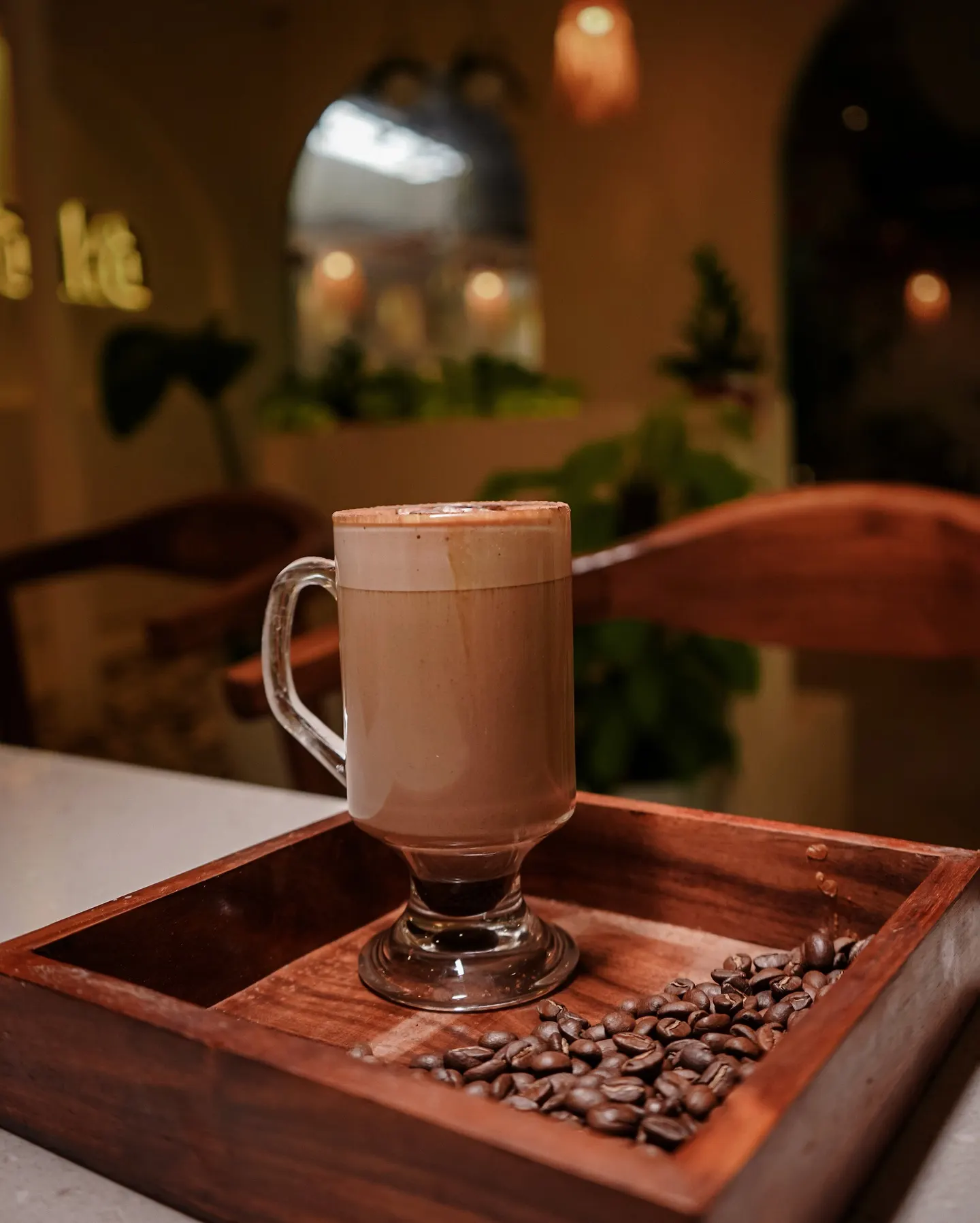
Most cafés are built in pieces. One contractor builds the space, a designer makes a logo, someone runs the social media for the launch, and the owner holds it all together. Each part can be good on its own, and the guest still walks into something that feels slightly disconnected.
Barmanka started with nothing but an idea: no land, no space, no name, no market presence. A year later it was a working specialty coffee café and kitchen in Koregaon Park, Pune. We were involved in every part of it, and that's the most useful thing we can share from the project.
Start with the ground, not the logo
The first decision was where to build, not how the brand would look. We weighed the land as part of the business plan: who walks past, what the neighbourhood expects, and whether the plot could carry a 5,000 sq. ft. café with an outdoor space.
Getting this right early meant that every later decision, from the layout to the price of a cup, was made for a real place and a real audience rather than for a mood board.
The space is the first piece of marketing
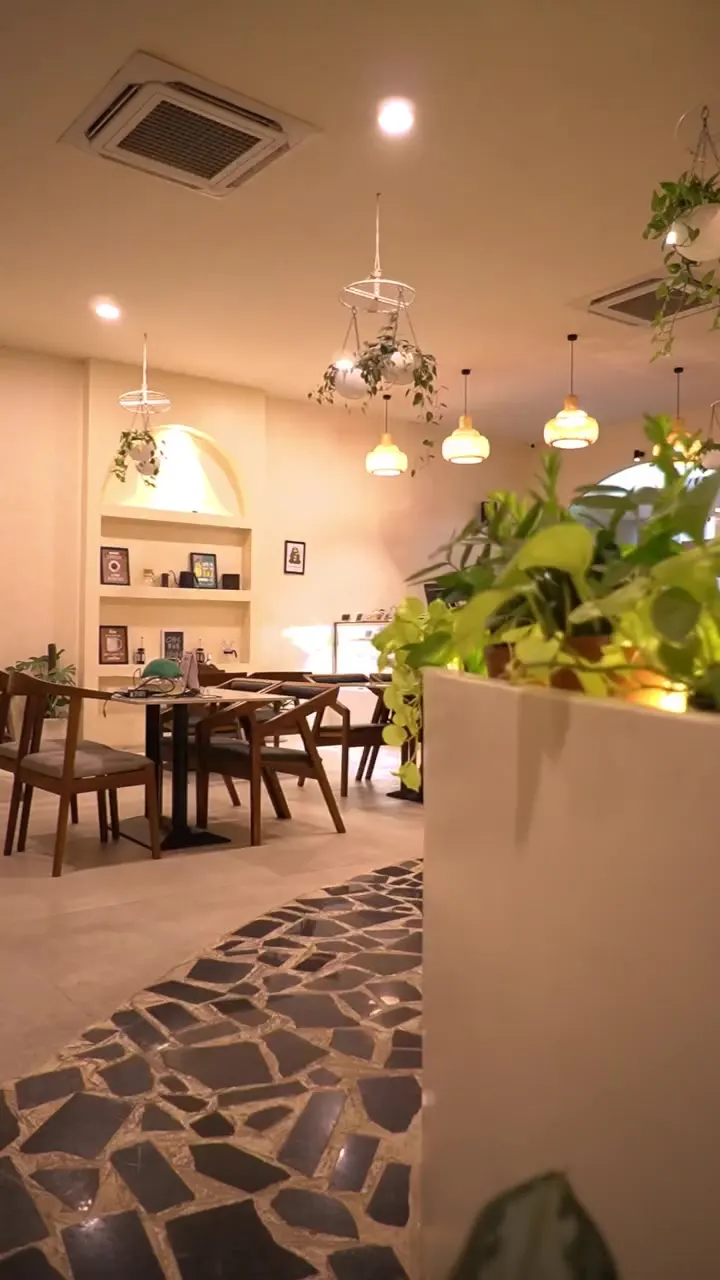
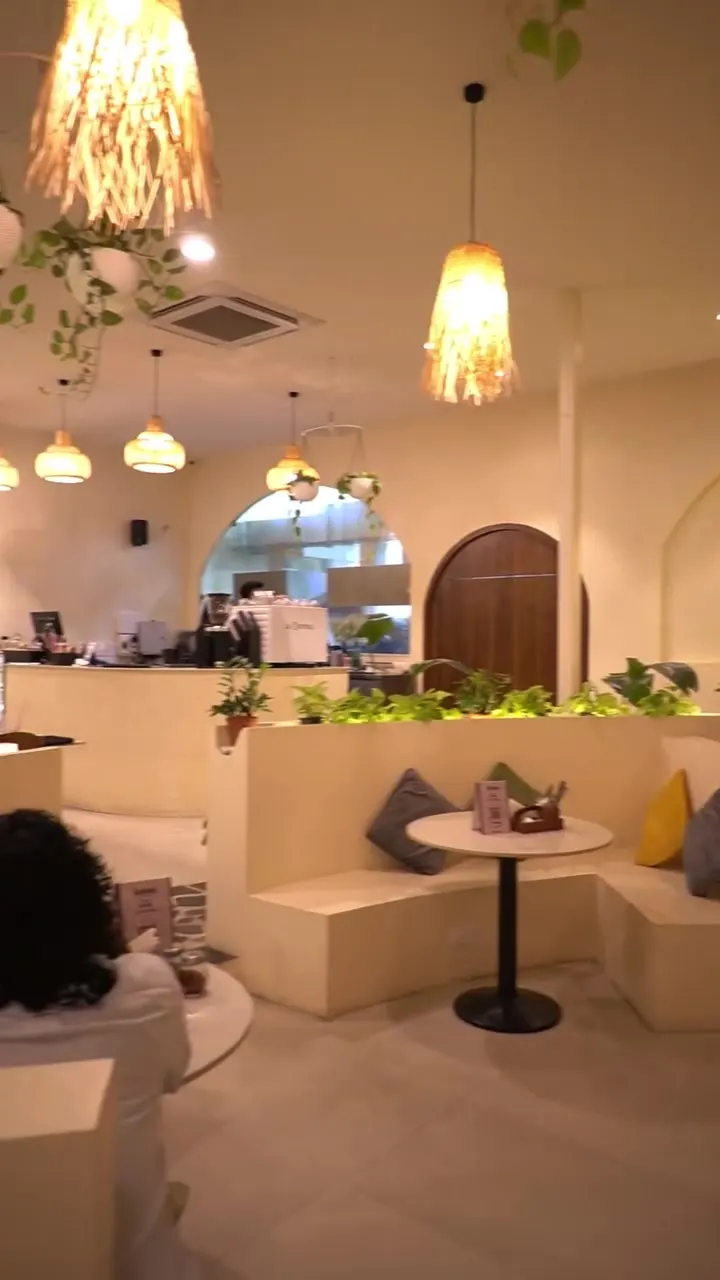
Construction, kitchen setup, electrical and plumbing, landscaping and signage were managed as one project. Interiors were designed to support the positioning from the moment a guest walks in: soft arches, warm light and planting that make the room feel calm and considered.
A guest never thinks "this is the brand". They think "I like it here". That feeling is what people photograph and share, and it does more for a new café than any paid post.
When the same team builds the room and the brand, the room becomes the brand's best argument.
A name and identity built for the room
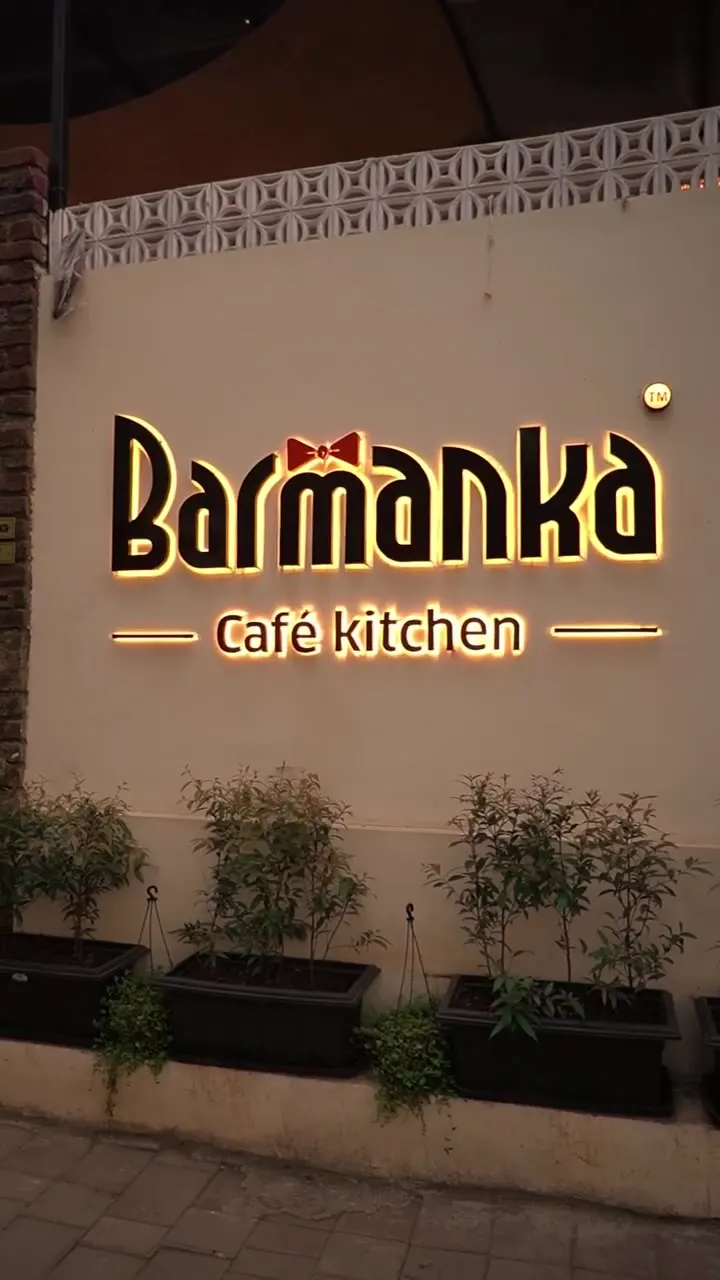
We named Barmanka Café, designed the logo and built the identity: colours, typography and a visual language that sits naturally on the façade, the menus, the packaging and the uniforms.
Because the identity was made alongside the interiors, nothing had to be forced to fit. The lit signage outside and the alcoves inside belong to the same idea.
Launch is a beginning, not an event
The launch connected the finished space to its digital presence. After opening, the work continued: social media, content, promotions and steady brand communication to keep new customers arriving.
We also set up operations: staff, processes and SOPs, menu planning, vendors and procurement. A café that opens beautifully but runs badly loses the attention its launch created.
What other businesses can take from it
You don't need to build from bare land to use this lesson. Whenever brand, space, website and marketing are planned by separate people, ask one question: who is responsible for the whole experience? If nobody is, the customer will notice before you do.
At Barmanka, eight disciplines (land, build, interiors, brand, physical branding, launch, marketing and operations) were handled by one team. That's why the café feels like one idea rather than eight.